Die Entlassung🇬🇧 hospital dischargedie🇬🇧 dischargedie ist kein Abschied, sondern ein Stapel Papier auf dem Nachttisch.
Arztbrief🇬🇧 doctor letterder🇬🇧 discharge letterder, AU-Bescheinigung, Termin🇬🇧 appointmentder zur Nachsorge🇬🇧 follow-up caredie🇬🇧 follow-up caredie. Drei Blätter, drei Aufgaben.
Die Schwester erklärt jedes Blatt einmal. Mara wiederholt die Wörter, bevor sie nickt.
Medikation🇬🇧 medicationdie: morgens eine, abends eine, fünf Tage. Sie schreibt die Zeiten auf die Packung🇬🇧 packdie, nicht nur ins Heft.
Mara fotografiert jede Seite im Flur, bevor der Aufzug🇬🇧 liftder kommt. Aufzüge warten nicht auf Ordnung.
An der Anmeldung gibt sie die Chipkarte zurück und bekommt einen Laufzettel🇬🇧 routing slipder. Ohne Laufzettel bleibt die Akte🇬🇧 filedie offen.
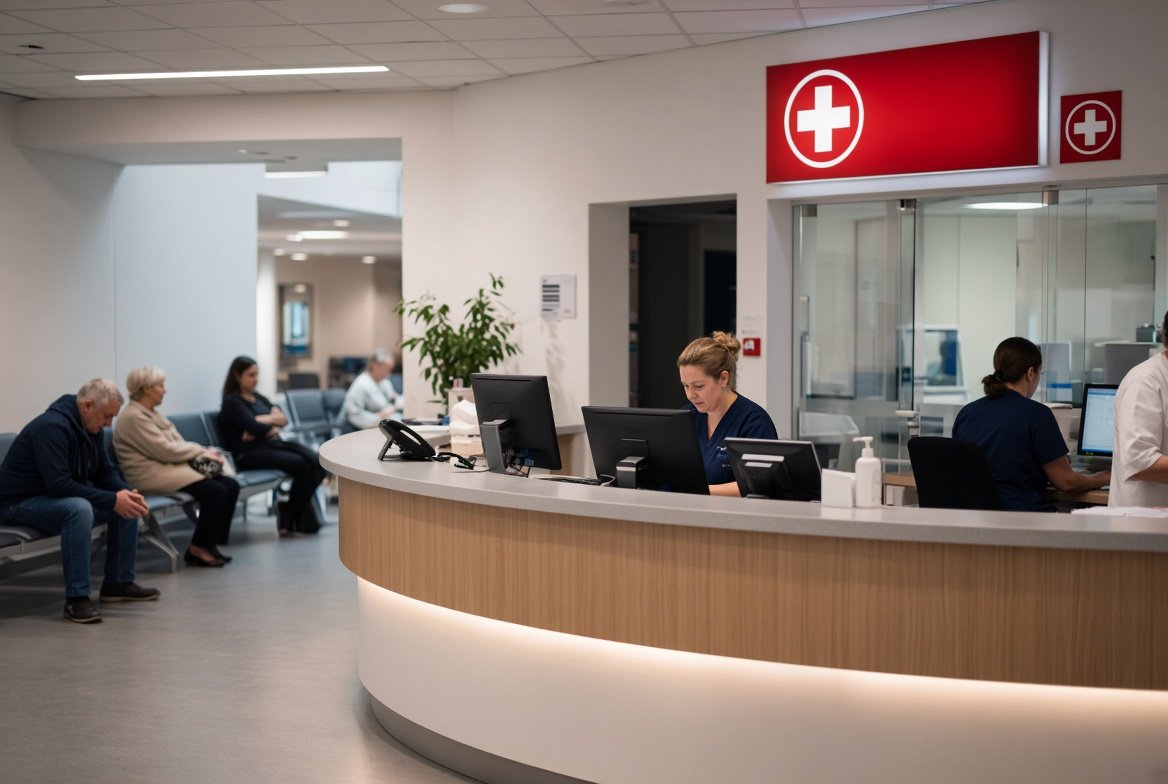
Unten im Foyer sitzt jemand und weint leise. Entlassung🇬🇧 hospital dischargedie🇬🇧 dischargedie ist für manche kein Sieg. Mara geht vorbei, ohne zu starren.
Der Bus nach Hause fährt pünktlich. Pünktlichkeit fühlt sich nach der Station🇬🇧 warddie🇬🇧 warddie wie ein fremdes Land an.
Zu Hause legt sie die Papiere in dieselbe Mappe🇬🇧 folderdie🇬🇧 folderdie wie den Jobcenter-Brief. Ämter ähneln sich in der Form.
Sie liest den Arztbrief🇬🇧 doctor letterder🇬🇧 discharge letterder laut. Ein Satz zur Belastung🇬🇧 strain / loaddie, ein Satz zur Arbeit, ein Satz zum Sport. Drei Grenzen.
Die Nachsorge🇬🇧 follow-up caredie🇬🇧 follow-up caredie ist in zehn Tagen. Sie trägt das Datum in den Kalender und in das Handy. Zweimal ist System.
Die AU gilt bis Freitag. Montag muss die Arbeit das Papier haben, nicht die Stimmung.
Abends ruft die Schwester an. Bist du frei. Mara sagt: Ich bin entlassen. Frei kommt später.
Sie stellt den Wecker für die Tablette und für den Briefkasten. Beides darf man nicht verpassen.
Am nächsten Morgen kopiert sie den Arztbrief🇬🇧 doctor letterder🇬🇧 discharge letterder. Originale bleiben in der Mappe🇬🇧 folderdie🇬🇧 folderdie. Kopien gehen nach draußen.
Entlassen heißt nicht fertig. Es heißt: die nächsten Sätze stehen auf Papier, und Papier kann man lernen.
Zehn Tage nach der Entlassung🇬🇧 hospital dischargedie🇬🇧 dischargedie sitzt Mara wieder im Foyer, diesmal mit dem Arztbrief🇬🇧 doctor letterder🇬🇧 discharge letterder auf dem Schoß und einem Termin🇬🇧 appointmentder zur Nachsorge🇬🇧 follow-up caredie🇬🇧 follow-up caredie um elf. Diese Lektion übt Sprache und ersetzt keinen Arzt und keine Behandlung. Sie hat drei Sätze unterstrichen, die sie beim ersten Lesen zu Hause nur halb verstanden hat, und sie will sie hier klären, nicht im Bus. Im Heft stehen schon Medikament🇬🇧 medicinedas, Krankschreibung🇬🇧 sick notedie und Station🇬🇧 warddie🇬🇧 warddie. Die Krankschreibung endet an diesem Freitag, also morgen, und Mara braucht einen klaren Satz für die Arbeit am Montag. Sie ist früher da, holt eine Wartenummer und trinkt Wasser, bevor sie die Tasche öffnet. Die Tasche bleibt danach auf dem Schoß. Papier auf leeren Stühlen lädt andere Blicke ein.
Auf der Station🇬🇧 warddie🇬🇧 warddie kennt die Mitarbeiterin den Namen und holt die Akte🇬🇧 filedie, ohne dass Mara die ganze erste Nacht erzählen muss. Mara sagt: Nachsorge🇬🇧 follow-up caredie🇬🇧 follow-up caredie, Arztbrief🇬🇧 doctor letterder🇬🇧 discharge letterder dabei, drei unterstrichene Sätze, dazu eine Frage zur Krankschreibung🇬🇧 sick notedie. Die Frau bittet sie, die Sätze nacheinander zu lesen, nicht alle auf einmal. Mara liest den ersten Satz über die Belastung🇬🇧 strain / loaddie und fragt, ob Sitzen bei der Arbeit damit gemeint ist. Die Mitarbeiterin holt eine Ärztin dazu, die den Brief selbst diktiert hat. Die Ärztin sagt: Sitzen ja, langes Stehen und Sport noch nicht, bis zur nächsten Zeile im Brief. Mara schreibt die Grenze noch einmal unter die Unterstreichung. Eine Grenze, die zweimal steht, ist im Alltag leichter zu verteidigen als eine Erinnerung an einen Flur.
Der zweite Satz betrifft das Medikament🇬🇧 medicinedas. Mara hat die Packung🇬🇧 packdie dabei und zeigt die handgeschriebenen Uhrzeiten. Die Ärztin vergleicht sie mit dem Arztbrief🇬🇧 doctor letterder🇬🇧 discharge letterder und sagt, die Uhrzeiten stimmen, die letzte Tablette sei für den morgigen Abend vorgesehen, danach sei diese Packung zu Ende. Mara fragt, was mit einer übrig gebliebenen Tablette passiert, falls sie eine auslässt. Die Ärztin sagt, sie solle nicht selbst eine Extra-Tablette anhängen und nicht die Packung in den Ausguss leeren, sondern Reste in die Apotheke zurückbringen. Mara schreibt den Satz auf und streicht eine eigene Idee, die schon im Kopf gewartet hat. Ideen ohne Auftrag gehören durchgestrichen ins Heft, damit sie nicht am Abend als Erinnerung zurückkommen. Sie fragt noch nach dem Namen des Wirkstoffs und schreibt ihn sauber unter das Medikament.
Der dritte Satz ist die Nachsorge🇬🇧 follow-up caredie🇬🇧 follow-up caredie selbst. Mara fragt, ob der heutige Termin🇬🇧 appointmentder die Nachsorge ist oder nur ihr Anfang. Die Ärztin sagt, heute sei die vereinbarte Nachsorge aus dem Stapel der Entlassung🇬🇧 hospital dischargedie🇬🇧 dischargedie, und ein weiterer Termin sei nur nötig, wenn der Brief das sagt oder wenn die genannten Zeichen auftreten. Mara bittet um die Zeichen in alltäglichen Wörtern. Die Ärztin liest sie langsam vor, und Mara schreibt sie als Liste, ohne sie auszuschmücken. Sie fragt, wen sie zuerst anruft, die Station🇬🇧 warddie🇬🇧 warddie oder die Notaufnahme. Die Ärztin sagt: tagsüber die Station über die Nummer auf dem Brief, nachts die Notaufnahme, wenn die Zeichen da sind, und den Hausarzt für Fragen, die bis zum nächsten Werktag warten können. Mara malt drei Spalten. Drei Spalten sind ein Stadtplan für Sätze.
Dann kommt die Krankschreibung🇬🇧 sick notedie. Sie gilt bis Freitag, und morgen ist Freitag. Mara fragt, ob sie am Montag einen neuen Zettel braucht, um zu arbeiten. Die Ärztin sagt nein, das Ende der Krankschreibung bedeute, dass die Arbeit am Montag der normale Weg sei, innerhalb der Grenzen aus dem Arztbrief🇬🇧 doctor letterder🇬🇧 discharge letterder. Mara formuliert den Satz für die Firma: Die Krankschreibung endet am Freitag, am Montag bin ich da, langes Stehen meide ich laut Arztbrief. Die Ärztin nickt zu diesem Satz. Mara schreibt ihn groß. Sie fragt, ob die Firma den ganzen Arztbrief sehen muss. Nein, sagt die Ärztin, die Krankschreibung geht an die Arbeit, der Arztbrief bleibt bei Mara und beim Hausarzt, wenn Mara das so weitergibt. Diese Tür findet Mara wichtig und schreibt sie dick nach.
Eine Pflegefachfrau geht mit ihr die Dosierung🇬🇧 dosagedie noch einmal an der Packung🇬🇧 packdie durch, nicht als neue Anordnung, sondern als Leseübung. Morgens eine, abends eine, letzte Einnahme morgen Abend, danach Schluss für diese Packung. Mara wiederholt und setzt ein Kreuz hinter jede Tageszeit, die schon vorbei ist. Die übrigen Kreuze bleiben offen. Die Frau fragt, ob Mara die Einnahme im Heft oder auf der Packung sicherer findet. Mara sagt, auf der Packung, weil das Heft zu Hause bleiben kann und die Packung mit muss. Sie schreibt trotzdem eine Kopie🇬🇧 copydie der Kreuze ins Heft. Doppelt, aber mit dem Hinweis: Packung führt, Heft sichert. Die Frau sagt, das sei ein guter Verwaltungssatz. Mara lächelt über das Wort Verwaltung. Es passt zu ihr mehr als das Wort Heldentum.
An der Anmeldung der Station🇬🇧 warddie🇬🇧 warddie fragt Mara nach Kosten und nach einem möglichen Brief der Kasse. Die Mitarbeiterin sagt, die Entlassung🇬🇧 hospital dischargedie🇬🇧 dischargedie selbst habe heute keine Zahlung an der Theke, Rechnungen der Kasse könnten später kommen, und Mara solle sie aufheben und bei Unklarheit die Nummer auf dem Brief anrufen, nicht raten. Mara schreibt aufheben und anrufen. Sie bittet um eine Quittung🇬🇧 receiptdie darüber, dass sie zur Nachsorge🇬🇧 follow-up caredie🇬🇧 follow-up caredie erschienen ist, falls die Arbeit nach dem Vormittag fragt. Die Frau druckt eine Zeile mit Datum und Uhrzeit, ohne Befund. Mara prüft, dass kein medizinisches Detail auf der Zeile steht. Nur Nachsorge, Station, Datum. Das ist genug für eine Firma und wenig genug für einen Flur. Die Quittung kommt in ein eigenes Fach, nicht an den Arztbrief🇬🇧 doctor letterder🇬🇧 discharge letterder geklebt.
Sie nutzt die Minute am Fenster und schreibt die zehn Wörter sauber: Entlassung🇬🇧 hospital dischargedie🇬🇧 dischargedie, Arztbrief🇬🇧 doctor letterder🇬🇧 discharge letterder, Nachsorge🇬🇧 follow-up caredie🇬🇧 follow-up caredie, Medikament🇬🇧 medicinedas, Krankschreibung🇬🇧 sick notedie, Station🇬🇧 warddie🇬🇧 warddie, Quittung🇬🇧 receiptdie, Termin🇬🇧 appointmentder, Mappe🇬🇧 folderdie🇬🇧 folderdie, Dosierung🇬🇧 dosagedie. Hinter Entlassung setzt sie den Satz, dass der Stapel von vor zehn Tagen heute einen Haken bekommt, nicht eine Feier. Hinter Nachsorge setzt sie die drei Spalten, wen sie wann anruft. Hinter Krankschreibung setzt sie Montag und die Grenzen. Eine andere Patientin fragt nach dem Aufzug🇬🇧 liftder. Mara zeigt ihn und beendet damit das Gespräch, ohne den eigenen Brief zu erklären. Hilfe kann kurz sein. Danach fotografiert sie nur die Teilnahmezeile und die Seite mit den Spalten. Den vollen Arztbrief fotografiert sie nicht noch einmal.
Die Ärztin gibt ihr noch einen kurzen Nachsatz für den Hausarzt: Nachsorge🇬🇧 follow-up caredie🇬🇧 follow-up caredie erfolgt, Grenzen wie im Arztbrief🇬🇧 doctor letterder🇬🇧 discharge letterder, Medikament🇬🇧 medicinedas endet morgen Abend. Mara liest den Nachsatz und bittet um ein Kürzel. Die Ärztin setzt das Kürzel. Mara fragt, ob sie den Nachsatz selbst zum Hausarzt tragen darf. Ja. Sie steckt ihn in die Hülle vor den Arztbrief, damit er der erste Satz ist, den sie dort zeigt. Im Foyer kauft sie keinen Kaffee. Sie setzt sich und übt den Montagssatz zweimal. Eine Durchsage ruft einen anderen Namen auf. Mara zuckt nicht mehr, wenn Namen fallen, die nicht ihrer sind. Das ist ein kleines Zeichen von Ortskenntnis. Sie schreibt es nicht als Verdienst auf. Sie steht einfach auf und geht zum Bus.
Im Bus liest sie nicht den ganzen Brief. Sie liest nur die drei Spalten und den Montagssatz. An der Haltestelle kauft sie Obst und eine Mappe🇬🇧 folderdie🇬🇧 folderdie mit einem festeren Rücken, weil die alte an der Ecke aufreißt. Zu Hause leert sie die alte Mappe auf dem Tisch und sortiert neu: Arztbrief🇬🇧 doctor letterder🇬🇧 discharge letterder, Nachsorgezettel, Krankschreibung🇬🇧 sick notedie, Quittung🇬🇧 receiptdie, Kopie🇬🇧 copydie der Dosierung🇬🇧 dosagedie. Alles bekommt eine Registerkarte aus Papier, handbeschriftet, nicht bunt bedruckt. Bunte Karten würden so tun, als sei dies ein Hobby. Es ist eine Ordnung. Ihre Schwester kommt später vorbei und sieht die Register. Mara erklärt nur die Überschriften, nicht die unterstrichenen Zeilen. Ihre Schwester sagt, die Überschriften reichen, um zu sehen, dass Mara den Tag geordnet hat.
Am Abend stellt sie den letzten Wecker für morgen Abend und schreibt auf die Packung🇬🇧 packdie: letzte Einnahme, dann Apotheke für Reste falls nötig. Sie legt die Packung nicht ans Kopfkissen. Sie legt sie auf den Küchenstuhl, wo auch das Heft lag, als die Entlassung🇬🇧 hospital dischargedie🇬🇧 dischargedie noch neu war. Dann schreibt sie die Mail an die Arbeit, schickt sie aber noch nicht. Die Mail soll morgen früh gehen, mit klarem Kopf, und die Quittung🇬🇧 receiptdie von heute nur dann, wenn jemand nach dem Vormittag fragt. Ungefragte Anhänge sind oft zu viel Information. Mara lässt den Anhang im Entwurf. Sie lächelt über das Wort Entwurf. Sprache zu korrigieren ist inzwischen ihr ruhigster Sport, und Sport steht ohnehin noch nicht auf dem Zettel des Arztbriefes.
Am nächsten Morgen, dem Freitag, ist die Krankschreibung🇬🇧 sick notedie noch gültig bis zum Ende des Tages, und Mara bleibt zu Hause, so wie das Papier es rahmt. Sie erledigt den Entwurf. Gegen Mittag ruft sie die Station🇬🇧 warddie🇬🇧 warddie nicht an, denn es gibt keine neue Frage. Sie ruft den Hausarzt an und sagt den Nachsatz langsam, dann bittet sie um einen kurzen Termin🇬🇧 appointmentder nur zum Ablegen des Briefes in deren Akte🇬🇧 filedie. Die Praxis bietet den Dienstag. Mara wiederholt Dienstag und sagt, sie bringe Arztbrief🇬🇧 doctor letterder🇬🇧 discharge letterder und Nachsatz mit. Nach dem Anruf hakt sie den Anruf ab. Am Nachmittag geht sie ein kurzes Stück zum Briefkasten und zurück, innerhalb der Grenze, und sie macht daraus keine Trainingsrunde. Der Briefkasten ist der Briefkasten. Die Grenze bleibt die Grenze.
Am Montagmorgen geht sie zur Arbeit mit dem Montagssatz im Kopf und der Krankschreibung🇬🇧 sick notedie in der Hülle, falls jemand das Ende sehen will. Ihre Vorgesetzte fragt nur, ob Mara da sei und ob etwas zu beachten sei. Mara sagt den geübten Satz und bietet den Arztbrief🇬🇧 doctor letterder🇬🇧 discharge letterder nicht an. Die Vorgesetzte sagt, der Satz reiche, langes Stehen werde diese Woche nicht eingeteilt. Mara bedankt sich und setzt sich. In der ersten Pause schreibt sie kein medizinisches Wort. Sie schreibt eine Aufgabenliste. Das Gefühl ist gewöhnlich, und gewöhnlich ist das Ziel eines Montags nach einer Entlassung🇬🇧 hospital dischargedie🇬🇧 dischargedie. Gegen Abend legt sie die Hülle in die Schreibtischschublade zu Hause, nicht in die Firmentasche über Nacht. Arbeit und Mappe🇬🇧 folderdie🇬🇧 folderdie dürfen sich grüßen und sollen nicht im selben Rucksack schlafen.
Am Dienstag beim Hausarzt legt sie den Arztbrief🇬🇧 doctor letterder🇬🇧 discharge letterder und den Nachsatz vor und sagt, die Nachsorge🇬🇧 follow-up caredie🇬🇧 follow-up caredie sei erfolgt. Der Hausarzt lässt beides kopieren und gibt ihr die Originale zurück. Mara prüft die Originale noch an der Theke, bevor sie sich freut. Zu Hause wandern sie in die neue Mappe🇬🇧 folderdie🇬🇧 folderdie, und die Mappe wandert ins Regal neben die anderen Ämter. Auf die letzte Heftseite schreibt sie: Entlassung🇬🇧 hospital dischargedie🇬🇧 dischargedie erledigt heißt nicht Körper vergessen, es heißt Sätze an den richtigen Orten. Station🇬🇧 warddie🇬🇧 warddie für die eine Nummer, Arbeit für den kurzen Satz, Hausarzt für den Brief, Apotheke für Reste. Sie stellt keinen neuen Wecker. Die Packung🇬🇧 packdie ist leer und wartet in einer Tüte auf den Weg zur Apotheke am Samstag. Heute reicht es, dass jedes Papier einen Platz hat.