Vorsorge🇬🇧 preventive checkupdie🇬🇧 prevention / check-updie klingt nach Routine und fühlt sich nach Mut an. Mara hat den Termin dreimal verschoben und kommt trotzdem.
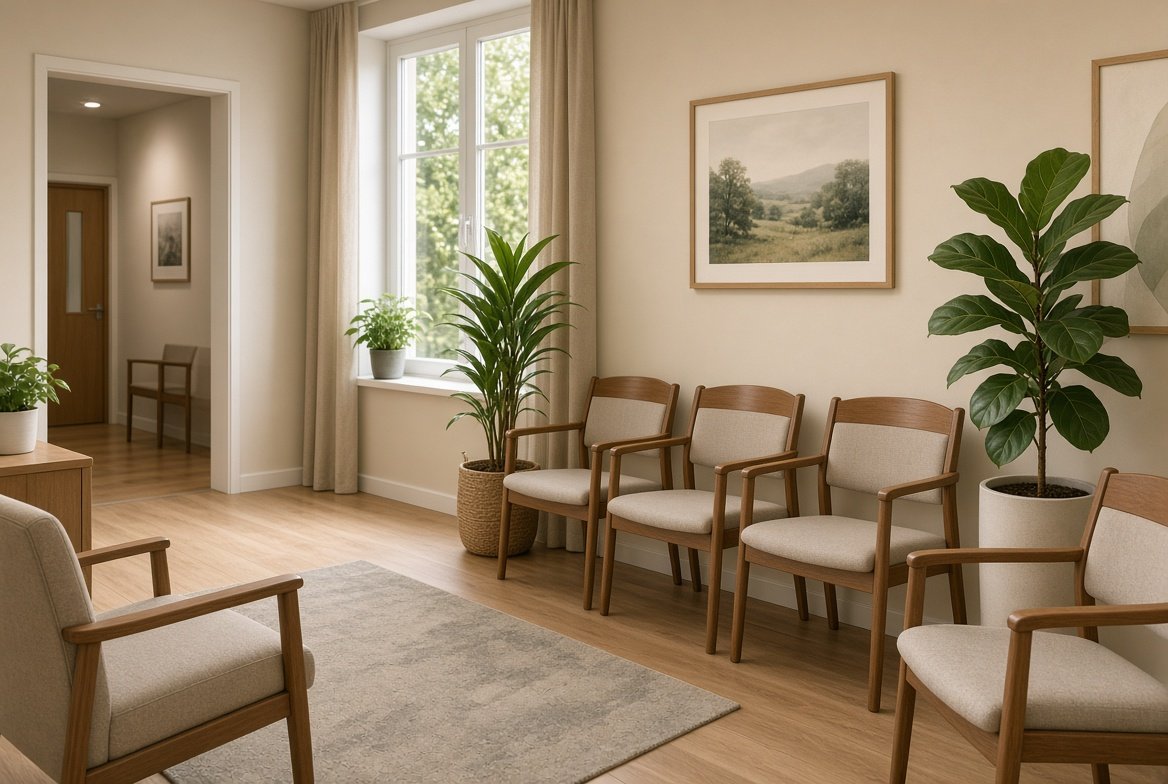
Im Wartezimmer🇬🇧 waiting roomdas🇬🇧 waiting roomdas liegen Zeitschriften, die niemand liest. Die Nummern auf dem Bildschirm wechseln langsamer als der Puls.
Die Ärztin sagt zuerst den Namen und erklärt den Ablauf, bevor irgendetwas beginnt. Reihenfolge ist hier Respekt.
Der Abstrich🇬🇧 smearder🇬🇧 smearder ist kein Überfall. Mara darf stoppen. Das steht nicht klein gedruckt, das wird gesagt.
Die Aufklärung🇬🇧 medical explanationdie🇬🇧 explanation / informed consentdie dauert länger als die Untersuchung🇬🇧 examinationdie🇬🇧 examinationdie. Wörter wie Befund🇬🇧 findingder🇬🇧 findingsder, Zyklus🇬🇧 cycleder, Vorsorge🇬🇧 preventive checkupdie🇬🇧 prevention / check-updie werden langsam gelegt.
Mara fragt nach dem Eigenanteil und nach dem Zeitpunkt des Ergebnisses. Fragen nach Geld sind hier keine Scham.
Ein Formular🇬🇧 formdas zur Einwilligung🇬🇧 consentdie🇬🇧 consentdie. Sie liest, bevor sie unterschreibt. Unterschrift ohne Lesen wäre Theater.
Die Untersuchung🇬🇧 examinationdie🇬🇧 examinationdie ist kurz und klar. Niemand spricht nebenbei über das Wetter. Das Wetter kann warten.
Danach ein Zettel: nächste Kontrolle🇬🇧 check / follow-updie in zwölf Monaten, bei Blutungen früher anrufen. Mara fotografiert den Zettel im Flur.
In der Anmeldung🇬🇧 reception / registrationdie legt sie die Chipkarte🇬🇧 health insurance carddie hin. Die Mitarbeiterin nennt die Versichertennummer, nicht den Vornamen.
Auf dem Weg nach Hause schreibt sie die neuen Wörter auf: Abstrich🇬🇧 smearder🇬🇧 smearder, Aufklärung🇬🇧 medical explanationdie🇬🇧 explanation / informed consentdie, Einwilligung🇬🇧 consentdie🇬🇧 consentdie, Befund🇬🇧 findingder🇬🇧 findingsder.
Zu Hause erklärt sie der Schwester nicht alles. Sie sagt: Ich habe gefragt. Fragen war der mutigste Teil.
Zwei Wochen später der Anruf. Der Befund🇬🇧 findingder🇬🇧 findingsder ist unauffällig. Das Wort unauffällig ist an diesem Tag ein Geschenk.
Sie legt den Arztbrief🇬🇧 doctor's letterder in dieselbe Mappe wie die Impfpässe. Körper und Amt teilen sich Ordner.
Nächstes Jahr wird sie den Termin nicht dreimal verschieben. Das verspricht sie sich leise, ohne Zeugen.
Vorsorge🇬🇧 preventive checkupdie🇬🇧 prevention / check-updie bleibt unangenehm. Unangenehm und nützlich dürfen denselben Termin haben.
Zwei Wochen nach dem Anruf liegt der Brief mit dem Befund🇬🇧 findingder🇬🇧 findingsder auf dem Tisch, und ein Satz darin bleibt schwer. Diese Lektion übt Sprache und ersetzt keinen Arzt und keine Behandlung. Mara versteht das Wort unauffällig, aber nicht den nächsten Satz über die Kontrolle🇬🇧 check / follow-updie im kommenden Jahr. Sie ruft in der Praxis an und bittet nicht um eine neue Untersuchung🇬🇧 examinationdie🇬🇧 examinationdie, sondern um ein kurzes Gespräch über den Brief. Die Mitarbeiterin gibt ihr einen Termin am Donnerstag um halb zehn. Mara schreibt die Uhrzeit ins Heft und legt den Brief in eine klare Hülle. Daneben notiert sie die Wörter, die sie laut sagen will: Befund, Vorsorge🇬🇧 preventive checkupdie🇬🇧 prevention / check-updie, Aufklärung🇬🇧 medical explanationdie🇬🇧 explanation / informed consentdie, Einwilligung🇬🇧 consentdie🇬🇧 consentdie. Sie will diesmal nicht nicken, bevor der Satz fertig ist.
Am Donnerstag sitzt sie wieder im Wartezimmer🇬🇧 waiting roomdas🇬🇧 waiting roomdas, aber die Zeitschriften lässt sie zu. Auf dem Schoß liegen der Brief und das Heft, nicht das Handy. Eine andere Frau wird mit dem Vornamen aufgerufen und zuckt zusammen. Mara merkt sich, dass sie selbst lieber die Wartenummer hört als den Namen im Raum. Das Schild an der Tür sagt Frauenarzt🇬🇧 gynaecologistder, obwohl heute wieder die Ärztin vom ersten Termin da ist. Mara schreibt das Schildwort ins Heft, weil Schilder oft die männliche Form tragen und die Person dahinter trotzdem eine Frau sein kann. Sie übt den ersten Satz: Ich habe den Befund🇬🇧 findingder🇬🇧 findingsder gelesen und habe drei Fragen zu den Wörtern. Als die Nummer kommt, steht sie ohne Eile auf.
An der Anmeldung🇬🇧 reception / registrationdie legt sie die Chipkarte🇬🇧 health insurance carddie hin und nennt die Versichertennummer nur, als die Mitarbeiterin danach fragt. Der Brief bleibt noch in der Hülle. Mara sagt, sie sei nicht wegen einer neuen Beschwerde hier, sondern wegen eines Satzes im Befund🇬🇧 findingder🇬🇧 findingsder. Die Mitarbeiterin nickt und tippt das Wort Rückfrage. Rückfrage klingt freundlicher als Zweifel. Mara fragt, ob das Gespräch heute einen eigenen Eigenanteil hat oder zum ersten Termin gehört. Die Frau sagt, das sehe sie nach dem Gespräch auf dem Bildschirm, und Mara solle die Frage der Ärztin noch einmal stellen. Mara schreibt Rückfrage und Eigenanteil untereinander. Dann bekommt sie einen Zettel mit der Zimmernummer, die sie schon kennt.
Die Ärztin begrüßt sie mit dem Namen und legt den Befund🇬🇧 findingder🇬🇧 findingsder zwischen sie, nicht hinter einen Bildschirm. Mara sagt den vorbereiteten Satz und zeigt auf die unterstrichene Zeile. Die Ärztin liest die Zeile laut und ersetzt das schwere Wort durch einen einfachen Satz: Die Kontrolle🇬🇧 check / follow-updie im nächsten Jahr bleibt ein normaler Termin der Vorsorge🇬🇧 preventive checkupdie🇬🇧 prevention / check-updie, nicht ein Alarm. Mara schreibt diesen Satz wörtlich. Sie fragt, was sie am Telefon sagen soll, wenn die Praxis sie vorher an einen anderen Tag legen will. Die Ärztin sagt: Ich habe einen Termin zur Vorsorge und möchte das Datum behalten oder ein neues Datum schriftlich. Mara wiederholt das. Aufklärung🇬🇧 medical explanationdie🇬🇧 explanation / informed consentdie, sagt die Ärztin, ist auch dieses Gespräch, nicht nur der erste Besuch.
Dann spricht Mara über die Schweigepflicht🇬🇧 confidentialitydie, weil ihre Schwester zu Hause nach Einzelheiten gefragt hat. Die Ärztin erklärt, dass der Befund🇬🇧 findingder🇬🇧 findingsder ohne Einwilligung🇬🇧 consentdie🇬🇧 consentdie nicht an die Familie geht und auch nicht an die Arbeit. Mara darf selbst entscheiden, welchen Satz sie zu Hause sagt. Sie übt ihn gleich: Das Ergebnis🇬🇧 resultdas ist unauffällig, den Rest behalte ich für mich. Die Ärztin nickt. Mara fragt, ob die Schweigepflicht auch für die Mitarbeiterin an der Anmeldung🇬🇧 reception / registrationdie gilt. Ja, sagt die Ärztin, die ganze Praxis sei daran gebunden, nicht nur der Raum mit der Untersuchung🇬🇧 examinationdie🇬🇧 examinationdie. Mara schreibt das Wort Schweigepflicht groß ins Heft und zieht keinen Kreis darum. Es ist ein Recht, kein Schmuck.
Auf dem Tisch liegt ein Formular🇬🇧 formdas. Es geht nicht um eine neue Untersuchung🇬🇧 examinationdie🇬🇧 examinationdie, sondern darum, ob der Befund🇬🇧 findingder🇬🇧 findingsder an den Hausarzt geschickt werden darf. Mara liest jede Zeile und fragt bei dem Wort Übermittlung nach. Die Ärztin sagt, Übermittlung bedeute hier nur den Weg des Briefes von dieser Praxis zum Hausarzt. Mara fragt, was passiert, wenn sie nicht unterschreibt. Dann bleibt der Befund hier, und der Hausarzt erfährt ihn nicht automatisch. Mara entscheidet sich für die Einwilligung🇬🇧 consentdie🇬🇧 consentdie, weil sie den Hausarzt schon über die Vorsorge🇬🇧 preventive checkupdie🇬🇧 prevention / check-updie informiert hat, und sie unterschreibt erst nach dem letzten Satz. Neben die Unterschrift schreibt sie das Datum selbst, nicht die Mitarbeiterin. Datum ist Teil des Satzes.
Sie fragt auch nach dem Wort Abstrich🇬🇧 smearder🇬🇧 smearder, nicht weil heute einer stattfinden soll, sondern weil es im Kalender für das nächste Jahr steht. Die Ärztin erklärt den Ablauf noch einmal in drei kurzen Sätzen und sagt wieder, dass Mara stoppen darf. Mara schreibt die drei Sätze auf und lässt die Einzelheiten des Körpers aus dem Heft, weil sie Wörter für den Empfang und für die Frage braucht, nicht eine Zeichnung. Sie fragt, wie sie einen Wunsch nach einer Pause in einem höflichen Satz sagt. Die Ärztin schlägt vor: Ich brauche eine Pause, bitte warten Sie. Mara wiederholt den Satz zweimal. Er ist kurz genug für einen Moment, in dem lange Sätze nicht helfen. Sie setzt ihn an den Rand der Seite.
Vor dem Gehen kommt die Frage nach dem Geld noch einmal. Die Ärztin sagt, für dieses Gespräch über den vorhandenen Befund🇬🇧 findingder🇬🇧 findingsder falle heute kein neuer Eigenanteil an, die Chipkarte🇬🇧 health insurance carddie sei schon gelesen. Mara bittet trotzdem um einen Satz auf dem Zettel: Rückfrage zum Befund, keine neue Untersuchung🇬🇧 examinationdie🇬🇧 examinationdie. Die Ärztin schreibt den Satz und setzt ein Kürzel daneben. Mara fotografiert den Zettel erst im Flur, nicht im Zimmer. Im Flur ist das Licht schlechter, aber die Tür ist zu, und zu ist hier eine Form von Ruhe. Sie prüft, ob der Befund wieder in der Hülle steckt. Ohne den Brief wäre der Weg umsonst gewesen, auch wenn die Sätze jetzt im Heft stehen.
Unten im Foyer kauft sie kein Getränk. Sie setzt sich auf eine Bank und liest die neue Seite laut, aber leise genug für den Raum. Vorsorge🇬🇧 preventive checkupdie🇬🇧 prevention / check-updie, Untersuchung🇬🇧 examinationdie🇬🇧 examinationdie, Aufklärung🇬🇧 medical explanationdie🇬🇧 explanation / informed consentdie, Einwilligung🇬🇧 consentdie🇬🇧 consentdie, Befund🇬🇧 findingder🇬🇧 findingsder, Abstrich🇬🇧 smearder🇬🇧 smearder, Wartezimmer🇬🇧 waiting roomdas🇬🇧 waiting roomdas, Schweigepflicht🇬🇧 confidentialitydie, Frauenarzt🇬🇧 gynaecologistder, Formular🇬🇧 formdas. Bei Frauenarzt schreibt sie in Klammern die Form Frauenärztin🇬🇧 gynaecologistdie, weil beide Wörter heute vorgekommen sind. Sie streicht die Klammer wieder, denn das Heft soll die Wörter der Schilder und der Formulare tragen, nicht eine ganze Grammatikstunde. Ein Satz bleibt dick unterstrichen: Ich darf fragen, bevor ich unterschreibe. Damit steht sie auf. Der Brief wiegt nicht mehr schwerer als die Hülle.
Im Bus sitzt sie neben einem Fenster, das beschlagen ist. Sie schreibt nicht weiter. Sie wiederholt nur den Satz für ihre Schwester, bis er freundlich klingt und nicht wie eine Tür ins Gesicht. Zu Hause stellt sie den Kessel auf und legt den Befund🇬🇧 findingder🇬🇧 findingsder noch nicht in die Mappe. Zuerst vergleicht sie den Brief mit den Sätzen im Heft. Die unterstrichene Zeile hat jetzt eine Übersetzung in einfache Wörter direkt daneben auf einem Klebezettel. Den Klebezettel heftet sie an die erste Seite, nicht über den Text der Praxis. Der Text der Praxis bleibt lesbar. Übersetzungen dürfen Originalen nicht das Licht nehmen.
Als ihre Schwester am Abend anruft, sagt Mara genau den geübten Satz und danach noch einen: Ich habe nach der Schweigepflicht🇬🇧 confidentialitydie gefragt, und der Rest bleibt in der Praxis. Ihre Schwester ist einen Moment still und sagt dann, das sei ein ganzer Satz und reiche. Mara merkt, dass sie nicht mehr erklären will und auch nicht muss. Sie fragt ihre Schwester stattdessen nach dem Namen einer Sendung, und das Gespräch verlässt die Praxis. Nach dem Anruf schreibt sie den Satz noch einmal ins Heft, diesmal ohne Verbesserung. Ein Satz, der draußen funktioniert hat, darf stehen bleiben. Sie legt das Handy mit dem Bildschirm nach unten auf den Tisch.
Am nächsten Morgen kopiert sie den Zettel mit dem Satz der Ärztin und legt die Kopie in die Mappe zu den Impfpapieren. Das Original des Befundes bleibt im Umschlag, der Umschlag bleibt in der Hülle. Sie trägt das Datum der nächsten Vorsorge🇬🇧 preventive checkupdie🇬🇧 prevention / check-updie in den Kalender und in das Handy, so wie sie es sich nach dem ersten Besuch vorgenommen hat. Diesmal schreibt sie auch eine Erinnerung eine Woche vorher, nicht drei Absagen. In die Erinnerung setzt sie keinen Angst-Satz, sondern die Frage: Welche drei Wörter will ich laut sagen. Sie wählt schon jetzt: Kontrolle🇬🇧 check / follow-updie, Pause, Einwilligung🇬🇧 consentdie🇬🇧 consentdie. Drei Wörter sind ein Plan, kein Versprechen an den Körper.
Am Vormittag ruft sie nicht in der Praxis an, denn es gibt keine neue Frage. Sie übt nur an der Küchenspüle den Satz für die Pause und den Satz für den Hausarzt. Wenn der Hausarzt später nach dem Brief fragt, will sie sagen: Der Befund🇬🇧 findingder🇬🇧 findingsder ist mit meiner Einwilligung🇬🇧 consentdie🇬🇧 consentdie unterwegs, ich habe die Wörter nachgefragt. Sie schreibt diesen Satz auf eine Karteikarte. Karteikarten sind klein genug für die Manteltasche und groß genug für einen ganzen Gedanken. Die Chipkarte🇬🇧 health insurance carddie steckt sie zurück in das Fach, in dem auch der Ausweis liegt, aber in einer eigenen Hülle, damit Plastik nicht an Plastik kratzt. Ordnung ist hier eine Art Gedächtnis.
Am Nachmittag schließt sie das Heft und stellt es senkrecht ins Regal, neben die Mappe. Auf dem Rücken des Heftes steht nur das Wort Praxis und der Monat. Sie muss den Inhalt nicht auf dem Rücken erklären. Beim Tee liest sie eine Seite aus dem Roman, den sie vor dem ersten Termin weggelegt hatte, und sie merkt, dass die Sätze wieder bei der Geschichte bleiben und nicht zum Brief springen. Das ist kein medizinisches Ergebnis🇬🇧 resultdas. Das ist nur der Tag danach. Bevor sie das Licht in der Küche ausmacht, prüft sie den Kalender einmal. Das Datum steht. Die Fragen stehen. Mehr muss dieser Tag nicht tragen.
Vor dem nächsten Termin setzt sich Mara an den Küchentisch und ordnet nur die Sätze, nicht die Sorgen. Diese Lektion übt Sprache und ersetzt keinen Arzt und keine Behandlung. Sie schreibt drei Zeilen: was seit dem letzten Besuch gleich geblieben ist, welche Frage sie zuerst stellen will, und welches Papier sie in der Hand behält. Danach übt sie die Artikel: die Praxis, der Termin, die Untersuchung🇬🇧 examinationdie🇬🇧 examinationdie, die Überweisung, die Chipkarte🇬🇧 health insurance carddie, die Frage, die Pause. Sie will keinen langen Bericht. Sie will einen Anfang, den die Ärztin wiederholen kann. Wenn ein Wort zu fachlich wird, ersetzt Mara es durch den Satz: Bitte sagen Sie das in einfachen Worten. Sie legt die Überweisung nach vorn und die Chipkarte daneben. Auf einen kleinen Zettel kommt die Uhrzeit und der Name der Praxis, damit sie im Wartezimmer🇬🇧 waiting roomdas🇬🇧 waiting roomdas nicht im Handy suchen muss. Mara liest die drei Zeilen zweimal laut und streicht eine Zeile, die nur ein Gefühl beschreibt und keine Frage ist. Gefühle darf sie nennen, wenn jemand danach fragt. Zuerst kommt das Anliegen. Dann kommt die Pause. Dann kommt die Antwort, die sie ins Heft schreibt, bevor sie das Gebäude verlässt.