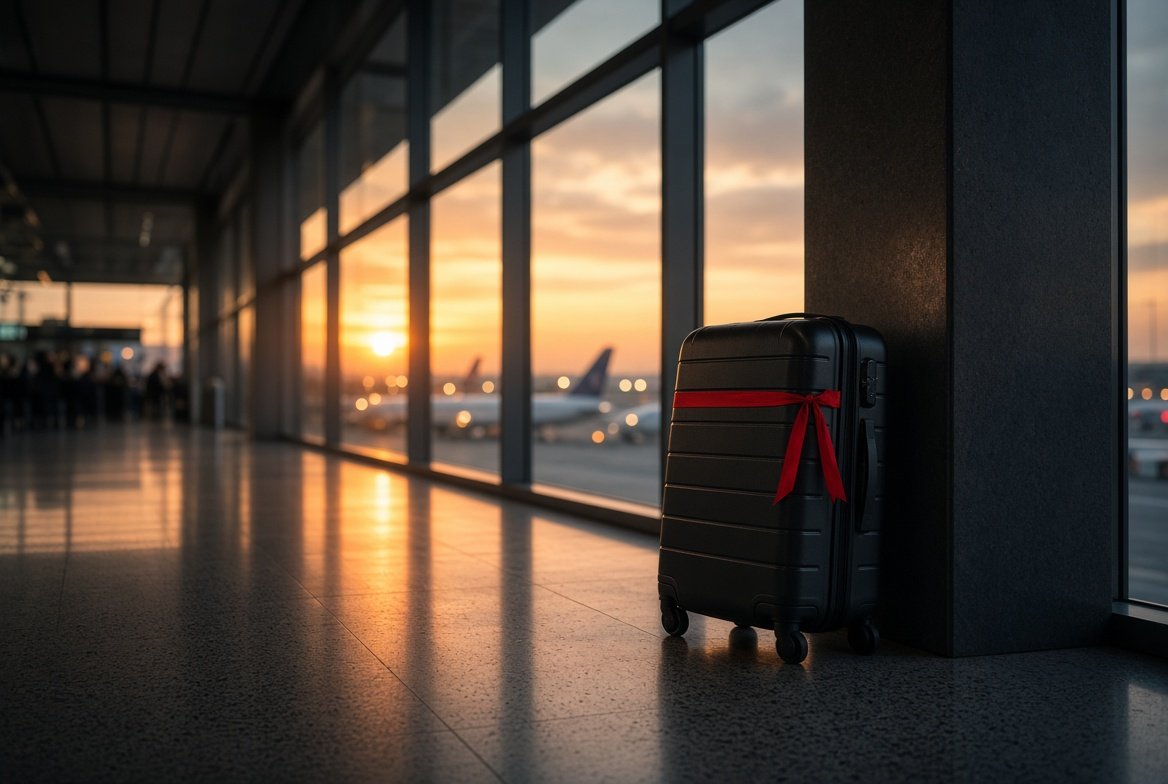
Navid steht vierzig Minuten am Gate🇬🇧 …das🇬🇧 …das, weil das Boarding ein Gerücht bleibt. Die Anzeigetafel ändert die Uhr und behält den Ort.
Er hat das Buch nicht aufgeschlagen. Er hat die Durchsagen gezählt. Jede klingt nach Verspätung🇬🇧 delaydie🇬🇧 delaydie mit Höflichkeit.
Neben ihm erklärt eine Frau ihrem Kind, warum Warten keine Strafe ist. Das Kind glaubt es nicht. Navid schon.
Eine Mitarbeiterin nennt eine neue Uhrzeit und dasselbe Gate🇬🇧 …das🇬🇧 …das. Navid fotografiert die Tafel. Fotos halten gegen Gerüchte.
Endlich die Schlange. Pass🇬🇧 passportder. Ticket🇬🇧 …das. Das Fenster bleibt auf der linken Seite, wie bestellt. Links ist hier eine Buchung.
Am Sitz prüft er Gurt und Notausgang, nicht aus Angst, aus Ritual. Rituale machen Flugzeuge kleiner.
Über den Wolken isst er etwas, das nach Flugzeug schmeckt. Unten liegt ein Land, das er in Formularen schon betreten hat.
Die Durchsage🇬🇧 announcementdie zur Landung kommt in zwei Sprachen. Navid hört beide, weil Zahlen in beiden gleich bleiben.
Gepäckband🇬🇧 carouseldas 3. Der Koffer🇬🇧 suitcaseder kommt spät und unbeschädigt. Navid sagt danke zu niemandem Bestimmten.
An der Kontrolle🇬🇧 passport control / securitydie zeigt er die Reservierung🇬🇧 reservationdie des Hotels auf dem Handy. Der Mann nickt. Nicken ist hier eine Einreise.
Draußen der Bus in die Stadt. Er prüft die Haltestelle🇬🇧 stopdie zweimal. Ankommen darf pedantisch sein.
Im Hotel🇬🇧 …das nennt er den Namen langsam. Die Rezeption🇬🇧 receptiondie wiederholt ihn. Wiederholen ist Höflichkeit, nicht Zweifel.
Auf dem Zimmerschlüssel steht eine Nummer, keine Poesie. Nummern öffnen Türen zuverlässiger.

Abends schreibt er drei Sätze ins Heft: Verspätung🇬🇧 delaydie🇬🇧 delaydie, Gepäckband🇬🇧 carouseldas, Haltestelle🇬🇧 stopdie. Reisen ist Vokabelarbeit mit Koffer🇬🇧 suitcaseder.
Am nächsten Morgen findet er den Weg ohne Karte, weil er gestern pedantisch war. Pedanterie ist eine Form von Ankunft.
Vierzig Minuten am Gate🇬🇧 …das🇬🇧 …das bleiben. Nicht als Ärger. Als Übung: warten, lesen, nicht weglaufen.
Navid steht am Flughafen und sieht auf die Uhr neben dem Gate🇬🇧 …das🇬🇧 …das. Diese Lektion übt Sprache und ersetzt keine Beratung. Sein Flug🇬🇧 flightder🇬🇧 flightder sollte bald starten, doch die Anzeige🇬🇧 displaydie springt auf eine spätere Zeit. Vierzig Minuten sind schon vergangen, und niemand hat ihn persönlich angesprochen. Navid sucht die Verspätung🇬🇧 delaydie🇬🇧 delaydie zuerst auf der Anzeige und dann auf seiner Bordkarte🇬🇧 boarding passdie. Die Bordkarte nennt noch die alte Zeit. Er bleibt in der Nähe des Gates, damit er eine Ansage🇬🇧 announcementdie nicht verpasst. In der Tasche hat er Wasser🇬🇧 waterdas, den Ausweis und das Telefon mit der Buchung. Er atmet ruhig und liest jede neue Zeile zweimal, bevor er den Platz verlässt. Den Zettel mit der alten Zeit steckt er nach vorn in die Tasche.
Die Verspätung🇬🇧 delaydie🇬🇧 delaydie wächst, und Navid will den Grund in einfachen Worten verstehen. Er wartet auf eine Ansage🇬🇧 announcementdie, statt Gerüchte aus der Reihe weiterzugeben. Als die Ansage kommt, spricht sie schnell und mit Hall. Navid hört die neue Uhrzeit und das Wort Gate🇬🇧 …das🇬🇧 …das. Er ist nicht sicher, ob das Gate gleich bleibt. Deshalb geht er zur Anzeige🇬🇧 displaydie und vergleicht die Flugnummer mit der Nummer auf der Bordkarte🇬🇧 boarding passdie. Stimmen die Nummern, schreibt er die neue Zeit auf einen Zettel. Stimmen sie nicht, fragt er nach, bevor er zu einem anderen Ausgang läuft. Eine falsche Eile würde ihn nur weiter vom richtigen Punkt entfernen. Er bleibt so lange stehen, bis die Nummern wirklich zusammenpassen.
Eine zweite Ansage🇬🇧 announcementdie nennt ein anderes Gate🇬🇧 …das🇬🇧 …das. Navid prüft die Ansage anhand der Anzeige🇬🇧 displaydie und anhand der Bordkarte🇬🇧 boarding passdie. Er fragt eine Person vom Personal🇬🇧 staffdas, ob die Ansage zu seinem Flug🇬🇧 flightder🇬🇧 flightder gehört. Er zeigt die Bordkarte und sagt den Namen der Stadt, aber er hält die Reihe nicht auf. Das Personal bestätigt den Wechsel oder bittet ihn zu warten. Navid wiederholt den neuen Ort laut und kurz, damit er ihn behält. Dann schaut er auf die Schilder und geht zügig, ohne zu rennen. Unterwegs sieht er auf die Uhr. Vierzig Minuten können knapp werden, wenn der Weg lang ist und die Menge langsam geht. Er lässt den Blick immer wieder zur nächsten Anzeige gehen.
Am neuen Gate🇬🇧 …das🇬🇧 …das prüft Navid wieder die Anzeige🇬🇧 displaydie. Die Flugnummer muss zu seiner Bordkarte🇬🇧 boarding passdie passen, sonst steht er am falschen Ausgang. Er sucht einen Platz, von dem er die Anzeige und das Personal🇬🇧 staffdas sehen kann. Seine Bordkarte bleibt in der Hand und nicht ganz unten in der Tasche. Wenn das Gate noch einmal wechselt, will er sofort gehen können. Er trinkt einen Schluck Wasser🇬🇧 waterdas und spart den Rest, weil er nicht weiß, wie lang die Verspätung🇬🇧 delaydie🇬🇧 delaydie noch dauert. Er schreibt die letzte Ansage🇬🇧 announcementdie in drei Wörtern auf: neue Zeit, neues Gate. Diese drei Wörter reichen, um später klar zu fragen. Den Platz wählt er so, dass er die Reihe nicht blockiert.
Navid spricht das Personal🇬🇧 staffdas höflich an, wenn die Anzeige🇬🇧 displaydie und die Ansage🇬🇧 announcementdie nicht zusammenpassen. Er sagt: Entschuldigung, mein Flug🇬🇧 flightder🇬🇧 flightder hat diese Nummer, und auf der Bordkarte🇬🇧 boarding passdie steht noch das alte Gate🇬🇧 …das🇬🇧 …das. Welche Information gilt? Er stellt nur eine Frage auf einmal und hört die Antwort zu Ende. Dann wiederholt er das neue Gate und die Zeit. Wenn das Personal eine Umbuchung🇬🇧 rebookingdie erwähnt, bittet er um einen klaren nächsten Schritt und um den Ort, an dem er warten soll. Er unterschreibt nichts, was er nicht gelesen hat. Eine ruhige Frage bringt ihm mehr als ein lauter Satz in der Schlange. Die Antwort schreibt er sofort auf den Zettel in seiner Hand.
Die Verspätung🇬🇧 delaydie🇬🇧 delaydie bedeutet auch Warten ohne sichere Länge. Navid bleibt erreichbar und schaut nicht nur in den Boden. Er hört auf jede Ansage🇬🇧 announcementdie, auch wenn sie zuerst eine andere Flugnummer nennt. Manchmal folgt sein Flug🇬🇧 flightder🇬🇧 flightder direkt danach. Er achtet auf den Sitzplatz🇬🇧 seatder, falls eine neue Bordkarte🇬🇧 boarding passdie kommt. Ein anderer Sitzplatz ist kein Grund zur Panik, solange die Flugnummer stimmt. Er vergleicht den Namen auf der neuen Karte mit seinem Ausweis. Das Wasser🇬🇧 waterdas in der Flasche reicht für eine kleine Pause. Wenn er zur Toilette geht, sagt er sich die Zeit der nächsten Ansage und kommt sofort zum Gate🇬🇧 …das🇬🇧 …das zurück. Die Bordkarte nimmt er auch auf diesem kurzen Weg mit.
Auf der Anzeige🇬🇧 displaydie steht nun ein neuer Abflug und daneben ein Hinweis zur Verspätung🇬🇧 delaydie🇬🇧 delaydie. Navid liest auch die Zeile zum Gate🇬🇧 …das🇬🇧 …das, weil sich beides getrennt ändern kann. Er fotografiert die Anzeige nicht für andere Menschen, sondern damit er die Uhrzeit selbst behält. Danach prüft er, ob das Foto lesbar ist. Unscharf hilft ihm nicht. Seine alte Bordkarte🇬🇧 boarding passdie steckt er nicht weg, bis die neue Information bestätigt ist. Das Personal🇬🇧 staffdas am Schalter kann beide Karten vergleichen. Navid fragt, ob er beim Einsteigen die erste oder die zweite Karte zeigen soll. Die Antwort schreibt er auf die Rückseite seines Zettels. Erst dann steckt er die ungültige Karte nach hinten.
Eine Ansage🇬🇧 announcementdie bittet die Reisenden, sitzen zu bleiben, weil das Flugzeug noch nicht bereit ist. Navid bleibt am Gate🇬🇧 …das🇬🇧 …das und blockiert nicht den Weg. Er steht auf, wenn Familien oder Personal🇬🇧 staffdas durchmüssen. Sein Sitzplatz🇬🇧 seatder im Wartebereich ist nicht der Sitzplatz im Flugzeug, und er verwechselt die Wörter nicht. Er trinkt Wasser🇬🇧 waterdas in kleinen Schlucken. Wenn jemand neben ihm eine andere Uhrzeit behauptet, prüft er die Anzeige🇬🇧 displaydie selbst. Gerüchte sind keine Ansage. Navid übt einen Satz für die Unsicherheit: Ich habe die Verspätung🇬🇧 delaydie🇬🇧 delaydie gehört, ich bleibe am genannten Gate, und ich frage das Personal, sobald die Anzeige springt. Diesen Satz kann er auch leise für sich wiederholen.
Irgendwann sagt das Personal🇬🇧 staffdas, dass eine Umbuchung🇬🇧 rebookingdie für einen Teil der Reisenden möglich ist. Navid hört den Satz einmal vollständig. Er fragt, ob die Umbuchung ihn betrifft, welches neue Ziel der Zeitplan hat und ob seine Bordkarte🇬🇧 boarding passdie ungültig wird. Er verlangt keine Sonderbehandlung. Er will nur wissen, wo er sich anstellen soll und welche Unterlagen er bereithalten muss. Ausweis, alte Bordkarte und die Buchungsnummer liegen oben. Wenn er den Flug🇬🇧 flightder🇬🇧 flightder behalten kann, bleibt er am Gate🇬🇧 …das🇬🇧 …das. Eine Umbuchung ist ein Angebot oder eine Ansage🇬🇧 announcementdie, kein Gerücht aus der Reihe, und Navid behandelt sie entsprechend ruhig. Er stellt sich erst an, wenn sein Name oder seine Nummer genannt wird.
Navid hat Durst, aber er verlässt das Gate🇬🇧 …das🇬🇧 …das nicht für einen langen Weg. Er trinkt das Wasser🇬🇧 waterdas, das er schon dabei hat, und fragt das Personal🇬🇧 staffdas nur, wenn die Flasche leer ist und die Verspätung🇬🇧 delaydie🇬🇧 delaydie weitergeht. Er will wissen, ob er in der Nähe etwas holen kann, ohne den Aufruf zu verpassen. Wenn die Antwort unsicher ist, bleibt er sitzen. Ein verpasstes Gate wäre ärgerlicher als ein späterer Schluck. Er beobachtet die Anzeige🇬🇧 displaydie und hört auf die Ansage🇬🇧 announcementdie. Sein Sitzplatz🇬🇧 seatder auf der Bordkarte🇬🇧 boarding passdie bleibt lesbar, weil er die Karte nicht knickt. Kleine Ordnung hilft, wenn die vierzig Minuten zu einer Stunde werden. Die leere Flasche stellt er erst weg, wenn der Aufruf vorbei ist.
Die Bordkarte🇬🇧 boarding passdie zeigt einen Sitzplatz🇬🇧 seatder am Fenster. Navid prüft, ob dieser Sitzplatz nach einer neuen Karte noch gilt. Er fragt das Personal🇬🇧 staffdas nicht nach einem besseren Platz, solange die Verspätung🇬🇧 delaydie🇬🇧 delaydie und das Gate🇬🇧 …das🇬🇧 …das unklar sind. Zuerst kommt der Flug🇬🇧 flightder🇬🇧 flightder, dann der Komfort. Wenn eine neue Bordkarte einen anderen Sitzplatz nennt, liest er die Reihe laut und vergleicht sie mit der Anzeige🇬🇧 displaydie beim Einsteigen. Er legt die gültige Karte nach vorn. Die alte Karte markiert er mit einem kleinen Kreuz, damit er sie nicht aus Versehen hinlegt. Diese einfache Markierung hat er schon einmal gebraucht, und sie spart ihm eine peinliche zweite Frage. Den Stift steckt er danach wieder ein.
Eine weitere Ansage🇬🇧 announcementdie ändert nur die Zeit und nicht das Gate🇬🇧 …das🇬🇧 …das. Navid streicht die alte Zeit auf dem Zettel durch und schreibt die neue daneben. Er läuft nicht los. Das Personal🇬🇧 staffdas muss er jetzt nicht erneut fragen, weil Anzeige🇬🇧 displaydie, Ansage und Bordkarte🇬🇧 boarding passdie zusammenpassen. Er nutzt die Pause, um den Namen der Fluggesellschaft auf der Anzeige zu lesen und die Buchung auf dem Telefon zu prüfen. Wenn das Telefon eine andere Zeit zeigt, gilt für ihn zuerst die Ansage am Gate, und er fragt bei Widerspruch nach. Er informiert zu Hause mit einem kurzen Satz: Verspätung🇬🇧 delaydie🇬🇧 delaydie, gleiches Gate, neue Uhrzeit. Mehr Lärm braucht niemand. Danach legt er das Telefon wieder mit dem Bild nach unten.
Navid übt die Fragen, die er in der Menge sicher sagen kann. Wo ist mein Gate🇬🇧 …das🇬🇧 …das? Gilt diese Ansage🇬🇧 announcementdie für meinen Flug🇬🇧 flightder🇬🇧 flightder? Ist die Verspätung🇬🇧 delaydie🇬🇧 delaydie auf der Anzeige🇬🇧 displaydie die letzte Meldung? Brauche ich eine neue Bordkarte🇬🇧 boarding passdie? Bleibt mein Sitzplatz🇬🇧 seatder? Wo frage ich nach einer Umbuchung🇬🇧 rebookingdie? Darf ich kurz Wasser🇬🇧 waterdas holen, ohne den Aufruf zu verpassen? Er stellt nicht alle Fragen auf einmal. Er wählt die eine Frage, die gerade zum Bild passt. Das Personal🇬🇧 staffdas antwortet knapper, wenn die Frage klar ist. Navid bedankt sich und geht zur Seite, damit die nächste Person Platz hat. So bleibt der Schalter benutzbar. Die nächste Frage hebt er sich auf, bis die erste Antwort wirklich klar ist.
Als der Flug🇬🇧 flightder🇬🇧 flightder endlich zum Einsteigen aufruft, hat Navid die Bordkarte🇬🇧 boarding passdie in der Hand und das Wasser🇬🇧 waterdas verschlossen in der Tasche. Er nennt nichts Unnötiges und folgt der Reihe. Auf der Anzeige🇬🇧 displaydie steht dasselbe Gate🇬🇧 …das🇬🇧 …das wie in der letzten Ansage🇬🇧 announcementdie. Die Verspätung🇬🇧 delaydie🇬🇧 delaydie ist vorbei, sobald er an der Reihe ist, auch wenn die Uhr anders läuft als am Morgen. Den Zettel mit den Zeiten behält er, bis er sitzt. Seinen Sitzplatz🇬🇧 seatder findet er mit der Bordkarte und nicht aus dem Gedächtnis. Diese Lektion hat ihn nicht beraten, welches Ticket🇬🇧 …das er kaufen soll. Sie hat ihm Sätze gegeben, um Verspätung, Ansage und Gate ruhig zu verbinden. Am Platz prüft er noch einmal die Reihe auf der Bordkarte.
Navid übt die vierzig Minuten nicht als Panik, sondern als eine kleine Liste, die in die Tasche passt. Diese Szene übt Sprache auf der Reise und ersetzt keine Auskunft der Fluggesellschaft. Er schreibt: das Gate🇬🇧 …das🇬🇧 …das, die Verspätung🇬🇧 delaydie🇬🇧 delaydie, die Durchsage🇬🇧 announcementdie, das Ticket🇬🇧 …das, der Sitz, die Schlange, die Frage. Dann sagt er einen Satz, den er am Schalter langsam wiederholen kann: Mein Flug🇬🇧 flightder🇬🇧 flightder hat Verspätung, ich möchte wissen, ob das Gate gleich bleibt. Er notiert die Antwort mit Uhrzeit, statt sie nur zu nicken. Wenn eine Durchsage und der Bildschirm sich widersprechen, fragt er eine Person am Gate und zeigt das Ticket, statt beiden Quellen gleichzeitig zu glauben. Den Sitz sucht er erst, wenn das Gate bestätigt ist. In der Schlange hält er das Ticket und den Ausweis bereit und das Handy leise. Er kauft nichts, solange die Minute auf dem Bildschirm noch springt. Nach der Landung schreibt er in drei Zeilen, was sich geändert hat und was gleich geblieben ist. Die Liste bleibt im Heft, damit die nächste Verspätung nicht wieder bei null anfängt.